DIY cameras
caelum does not need AMASC01. Any Linux machine with a camera that one of the backends can drive will run the whole stack. This page is a starting point for building your own; it is community-supported and not tested by the maintainers the way AMASC01 is.
A typical build
| Part | Recommendation |
|---|---|
| Computer | Raspberry Pi 4 or 5. Anything that runs Linux works for opencv; picamera2 needs a Pi |
| Camera | Raspberry Pi HQ camera (IMX477) or another libcamera-supported module, for the picamera2 backend |
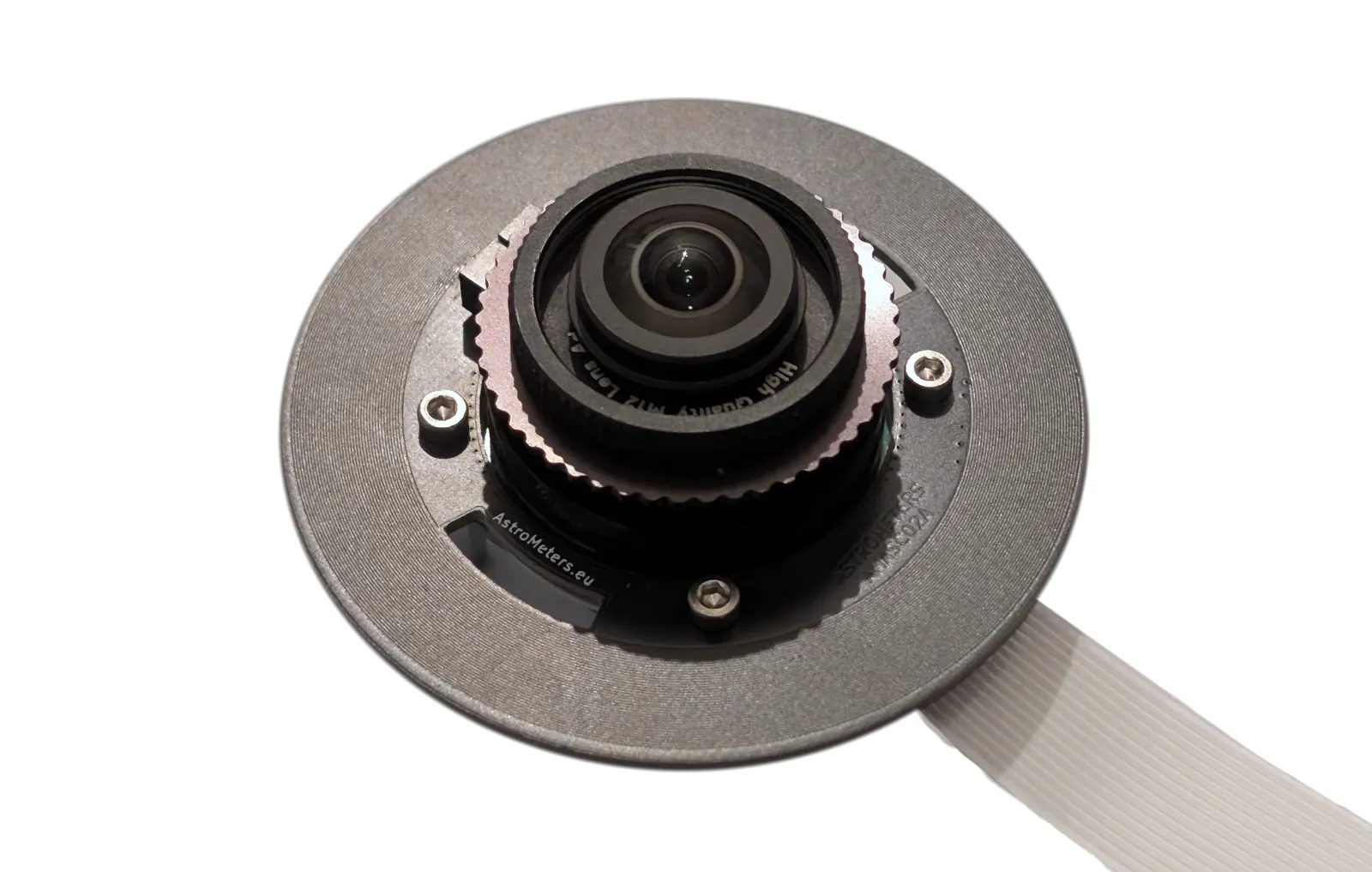
| Lens | A fisheye that covers 180° on the sensor you chose (for the HQ camera: C/CS-mount, ~1.5–2 mm) |
| Dome | Acrylic or glass dome over the lens |
| Dew heater | A heater around the lens under the dome. AMASCHR02 (below) is self-regulating (PID, 8–14 V) and needs no software |
| Storage | A good SD card or, better, USB/NVMe SSD — caelum writes continuously |
| Power | PoE HAT or a supply rated for the Pi plus heater |
| Network | Ethernet if possible; upload can tolerate a poor link but the web UI is nicer with a good one |
Things that bite
- Manual exposure is mandatory. caelum disables the camera's auto-exposure and runs its own loop. A camera whose driver will not accept manual exposure and gain cannot be controlled properly — this is common with cheap UVC webcams. See the
opencvcaveats. - Dew. An unheated dome fogs up on most clear nights, exactly when you want images.
- Heat in sunlight. A sealed box in the sun gets hot; plan for ventilation or shading of the electronics.
- Time. Exposure control is driven by the sun's altitude, so the clock must be right. Without a network, add an RTC.
Getting started
- Install caelum as in Getting started, choosing
--camera picamera2or--camera opencv. - Set your observing site (
location.lat,location.lon) in the config — sun and moon geometry depend on it. See Concepts. - Check the first frames in the web interface and widen the exposure presets if your optics are slower or faster than the defaults.
Built something that works? Share it in the repository so it can be listed on Supported cameras.
Prefer not to build one?
AMASC01 is a finished, tested caelum camera — and buying one funds caelum's development.